 (+91) 11-45647979 |

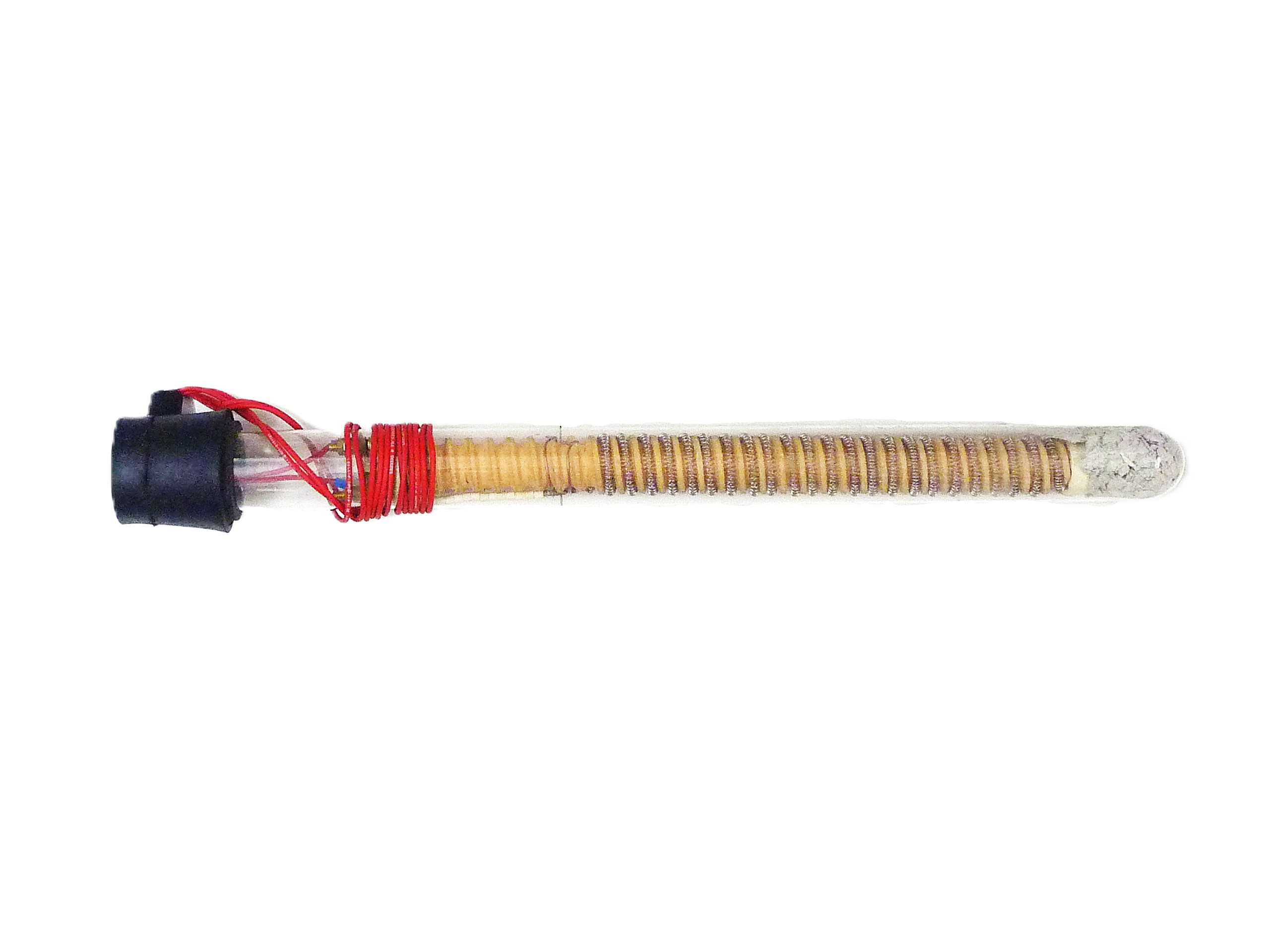
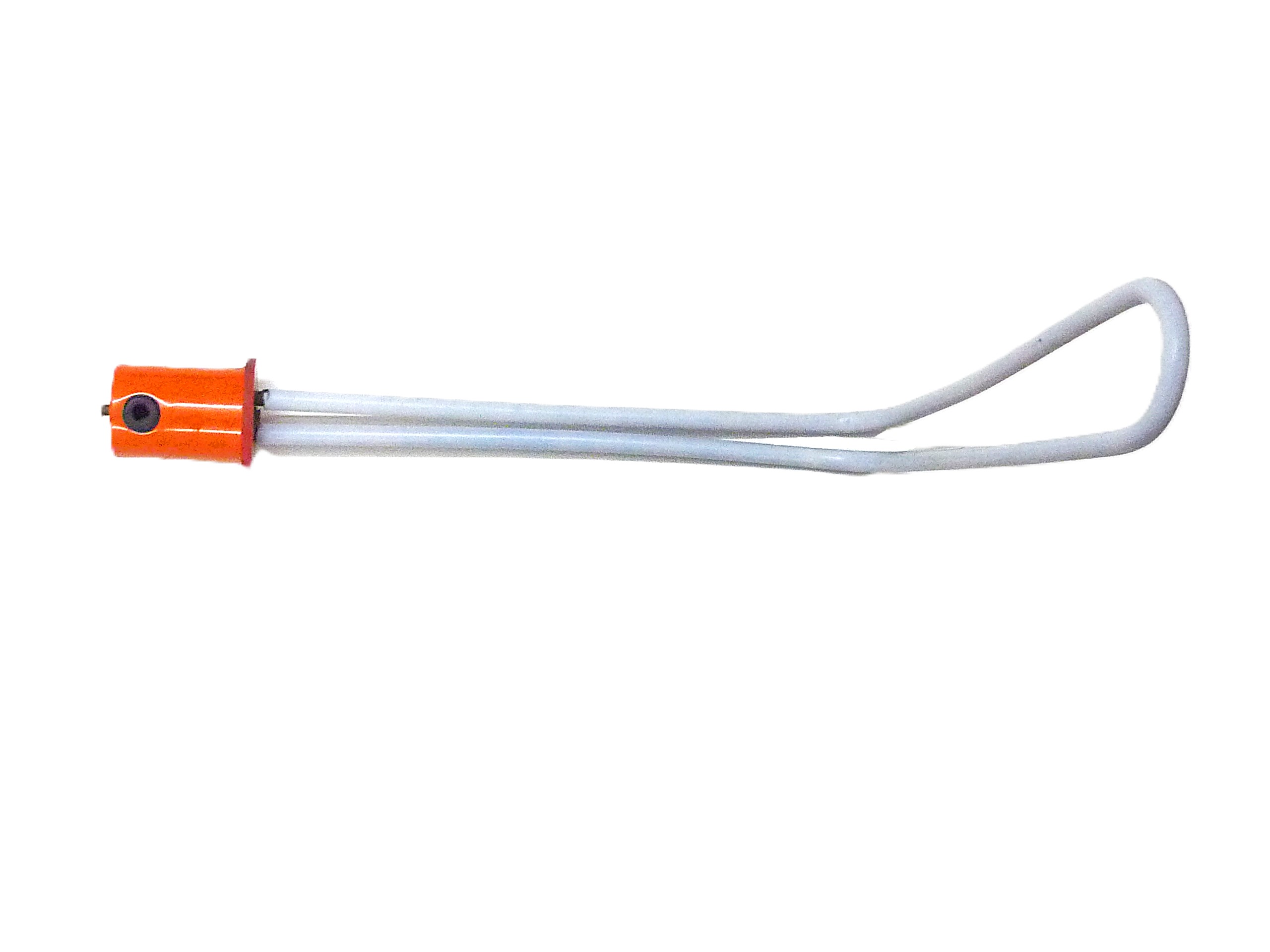
- Chemical Processing: Chemical immersion heaters warm chemical solutions for reactions, mixing, distillation, and polymerization. They help maintain stable temperatures during manufacturing.
- Pharmaceutical Industry: These heaters warm chemicals and solutions used in sterilization, dissolution, and reactor temperature control. They support clean and precise production.
- Oil and Gas Industry: Refineries use immersion heaters to heat crude oil and chemical additives. They also maintain stable temperatures for reactions that rely on strict heat control.
- Water Treatment: Treatment plants use immersion heaters to warm water for dosing, flocculation, and disinfection. This improves process efficiency and reliability.
- Food and Beverage Industry: Facilities use immersion heaters to heat wash solutions, cleaning chemicals, and process water. Their steady heat supports safe food production.
- Battery Manufacturing: Immersion heaters maintain the temperature of electrolyte solutions in lithium-ion battery production. This ensures stable chemical reactions during each stage.
- Laboratory Applications: Labs rely on immersion heaters to warm reagents, baths, and sensitive reaction mixtures. They help maintain precise and consistent thermal conditions.
Advantages of Chemical Immersion Electric Heating Elements:
- Efficient Heat Transfer: Direct immersion provides fast and efficient heat transfer. This reduces energy waste and shortens heating time.
- Precise Temperature Control: These heaters offer accurate and stable temperature regulation. This control is crucial for reactions that require exact conditions.
- Durability: When built with proper materials, immersion heaters resist corrosion and chemical damage. This improves safety and extends service life in harsh environments.
- Customization: Manufacturers can customize materials, shapes, and sizes to match each chemical medium. This ensures compatibility and better performance.
- Safety: Many immersion heaters include limiters and safety features. Some models also offer explosion-proof construction for hazardous applications.
For custom specifications, chemical-grade materials, or large-volume orders, visit our
Contact Us Page.